A personal blog · Singapore · Bukit Panjang
The Quiet of a Kopi-o Morning at Bangkit
28 October 2025 · Bangkit Road

The cup arrives before I have fully decided to stay — thick porcelain, a skin of condensation on the outside, the bitter warmth of kopi-o settling into my palms like something the morning has been holding for me since before I woke. I am at the coffee shop near the junction where Bangkit Road meets the bus interchange, one of those small kopitiams that has outlasted three renovations of the mall across the street and still serves toast the same way, with butter that melts in uneven patches.
I come here on mornings when the flat feels too still, when the ceiling fan turns without changing the air and I need the ordinary noise of other people beginning their days. The uncle behind the counter knows my order without me saying it. He slides the cup across the laminate and returns to wiping a surface that is already clean, the way people in service jobs sometimes need the motion more than the result.
Outside, the first buses are filling. I can hear the hydraulic sigh of doors opening and closing, the brief rise of voices, then the hush that follows each departure — a small wave breaking and leaving a still surface behind it. Inside, the radio plays old Mandarin ballads at a volume meant for background, not listening, and someone two tables away reads the papers with the careful slowness of a person who has nowhere urgent to be.
I watch the steam lift from my cup and think about how rituals find their level when you stop forcing them. I did not always drink kopi-o. For years I ordered teh with too much sugar because I thought sweetness was what mornings required. Then one rainy week I switched, almost by accident, and the bitterness matched something in me that sugar had been covering. Now the taste is a kind of anchor — not exciting, not memorable in any dramatic sense, but steady, like water finding its level in a cup that has stopped moving.
The shop itself has the particular charm of places that have never tried to be charming. Fluorescent tubes, ceiling fans with a slight wobble, laminated menus taped to the wall at angles that suggest they were put up in a hurry years ago and never adjusted. The floor is mopped every opening hour; you can smell the faint chemical clean beneath the coffee and kaya. I find this comforting in a way I struggle to explain to people who prefer cafés with succulents and oat milk.
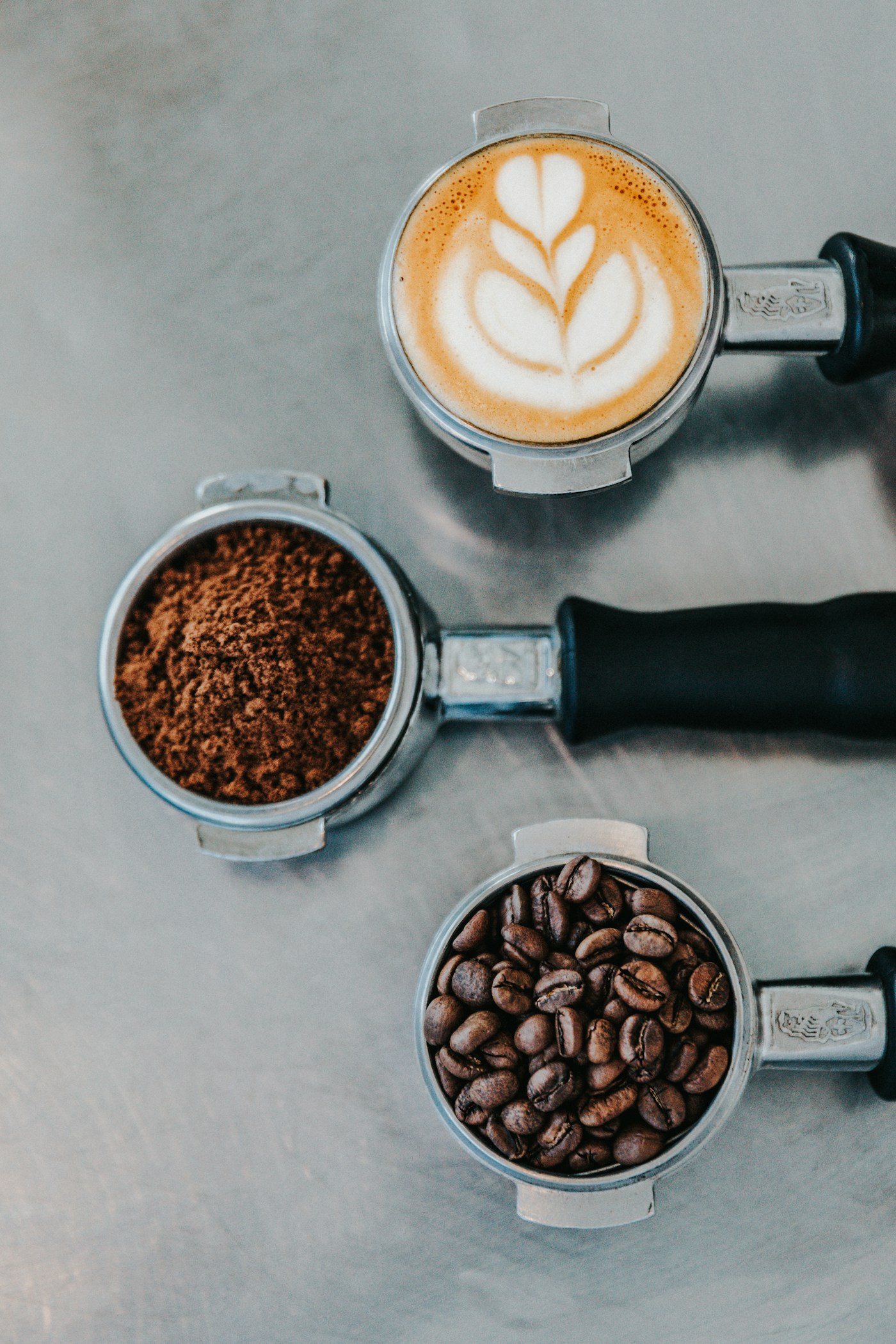
I sip and let the heat travel slowly, the way a slow exhale moves through the chest. There is no revelation in this. No story arc except the small one of a person sitting down, drinking, and feeling slightly more arranged inside than when she arrived. The toast comes — kaya on one triangle, butter on the other — and I eat without hurry while the shop fills and empties in gentle cycles.
A woman my mother's age shares my table without asking, which is normal here when seats are scarce. We do not speak. We coexist in the polite silence of early morning neighbours, two people choosing the same cheap comfort without needing to name why. I appreciate this more as I get older — the ability to be near someone without performing friendliness, without the small tax of conversation before your brain has fully arrived.
Through the open front, I can see the HDB blocks catching the sun on their eastern faces, windows beginning to blink with reflected light. Someone hangs laundry on a high floor. A delivery rider pauses to check his phone, then moves on. Bukit Panjang at this hour is not picturesque; it is functional, honest, a corridor of daily life that does not pause for admiration. I love it for that.
When the cup is empty, I do not immediately stand. I have learned to let the ending of small things take its time — the last cooling sip, the wipe of the mouth with a tissue, the quiet stacking of saucer on cup. The uncle collects without comment. I pay at the counter and step back into the brightening morning feeling arranged, not transformed.
The walk home is short. My hands still carry the ghost of warmth. Somewhere above me a window opens and the smell of someone else's breakfast drifts down — fried something, garlic, the ordinary perfume of a block waking together. I think I will remember this morning the way I remember most mornings here: not as an event, but as texture — the kind you only notice when you stop treating ordinary things as interruptions to a more important day.
That is the whole gift of kopi-o at Bangkit, I suppose. Not taste alone, but permission. To sit. To be early without being productive. To let the city glide past the shop windows while you hold a cup and do not rush the cooling.